
Learn about generalized anxiety disorder (GAD), its common symptoms, possible causes, treatment options and when to seek professional help.
Why Do I Feel Anxious for No Reason? Understanding Generalized Anxiety Disorder (GAD)
Have you ever felt worried even when nothing seems to be wrong? Do you frequently think about your family, health, work, finances or future, even when you are trying to relax? Do these thoughts make it difficult to sleep, concentrate or enjoy your day?
Occasional worry is a normal part of life. However, when worry becomes persistent, difficult to control and starts affecting everyday activities, it may be a sign that you need professional support.
One condition associated with excessive and persistent worry is Generalized Anxiety Disorder (GAD).
Understanding the symptoms of anxiety, recognising when they may require attention and learning about available treatment options can be important steps towards better mental well-being.
What Is Generalized Anxiety Disorder (GAD)?
Generalized Anxiety Disorder is a mental health condition characterised by excessive and persistent worry about different aspects of everyday life.
A person experiencing GAD may worry about situations that have not happened yet, repeatedly imagine negative outcomes or struggle to feel reassured even when there is little reason to expect something bad.
For example, someone might constantly worry about a family member’s health, making a mistake at work, managing household expenses or handling an upcoming responsibility.
These concerns may feel difficult to switch off, even when the person understands that worrying is not helping.
GAD can affect adults, and anxiety-related difficulties can also occur in children and adolescents. With appropriate assessment and treatment, people can learn to manage anxiety and improve their daily functioning.
What Are the Common Symptoms of Generalized Anxiety Disorder?
Anxiety can affect both the mind and the body. Symptoms vary from person to person, and experiencing one or more of these symptoms does not automatically mean that someone has GAD.
1. Persistent Worry
A person may worry excessively about everyday responsibilities, relationships, finances, health or the future. Even after resolving one concern, another worry may quickly take its place.
2. Difficulty Controlling Thoughts
You may repeatedly think about the same problem, imagine the worst possible outcome or find it difficult to stop worrying, even when you want to focus on something else.
3. Restlessness and Irritability
Feeling constantly on edge, becoming irritated easily or finding it difficult to relax may be associated with anxiety.
4. Sleep Problems
Anxious thoughts may make it difficult to fall asleep or stay asleep. Poor sleep can then contribute to tiredness, reduced concentration and greater difficulty coping with everyday stress.
5. Difficulty Concentrating
Persistent worry can make it harder to focus on work, studies, household responsibilities or conversations with family members.
6. Physical Symptoms
Anxiety may also be associated with physical symptoms such as:
- Muscle tension or body aches
- Headaches
- Tiredness
- Stomach discomfort
- Sweating or trembling
- A noticeable or racing heartbeat
- Dizziness or light-headedness
These symptoms can have several possible causes, including physical health conditions. Do not assume that a physical symptom is caused by anxiety without appropriate medical assessment.
What Is the Difference Between Normal Stress and an Anxiety Disorder?
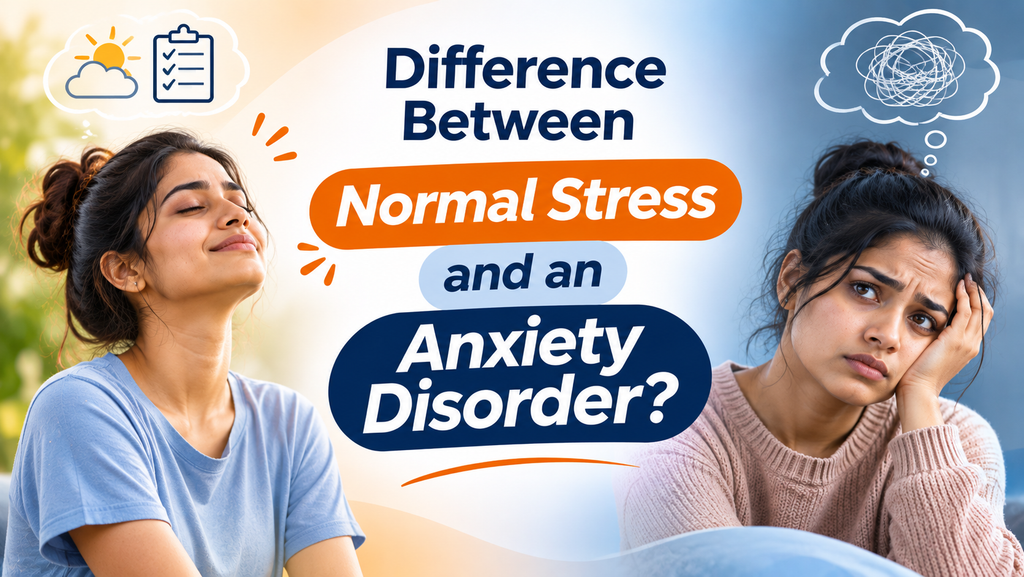
Stress and anxiety are common human experiences. Feeling nervous before an examination, worrying about a medical test result or feeling concerned about a family problem is not necessarily a sign of a mental health disorder.
The important difference is the intensity, persistence and impact of the worry.
| Normal Stress or Worry | Possible Anxiety Disorder |
|---|---|
| Often connected to a specific situation | May involve several areas of everyday life |
| Usually becomes easier to manage when the situation improves | May continue even when there is no immediate problem |
| Generally does not interfere significantly with everyday activities | May affect sleep, concentration, work or relationships |
| Often improves with time and practical problem-solving | May require professional assessment and treatment |
This comparison is only a general guide. A qualified professional must assess the person’s symptoms, circumstances and overall health before determining whether an anxiety disorder is present.
What Causes Generalized Anxiety Disorder?
There is no single cause of GAD. Anxiety can develop through a combination of biological, psychological and environmental factors.
Possible contributing factors include:
Family history: A family history of anxiety or other mental health conditions may increase vulnerability.
Prolonged stress: Ongoing pressure related to work, finances, family responsibilities or relationships may contribute to anxiety.
Difficult life experiences: Bullying, traumatic experiences, significant loss or other stressful events may affect emotional well-being.
Physical health and lifestyle factors: Certain medical conditions, medicines, sleep difficulties and excessive caffeine intake may contribute to or worsen anxiety symptoms.
It is important to remember that anxiety does not mean someone is weak or incapable of handling life. Mental health difficulties can affect people from all backgrounds, regardless of their personal or professional achievements.
Can Anxiety Cause Physical Symptoms?
Yes. Anxiety can activate the body’s stress response, which may produce physical sensations.
For example, a person may experience muscle tension, sweating, stomach discomfort, trembling or a faster heartbeat during periods of anxiety.
Sometimes, these sensations can create additional worry. A person may become concerned about the physical symptoms, which can increase anxiety further.
However, not every physical symptom is caused by anxiety. Chest pain, breathing difficulties, fainting or a new or severe racing heartbeat may require urgent medical assessment. Seek emergency medical care if symptoms are severe, sudden or concerning.
A proper evaluation can help distinguish anxiety-related symptoms from other possible causes.
How Is Generalized Anxiety Disorder Diagnosed?
There is no single symptom that confirms GAD. Diagnosis involves a comprehensive assessment by an appropriately qualified healthcare or mental health professional.
During an assessment, the professional may ask about:
- The type and frequency of worries
- How long the symptoms have been present
- Whether the person can control the worrying
- Sleep patterns, concentration and physical symptoms
- The effect of anxiety on work, studies, relationships and daily activities
- Medical history, medicines and other relevant health factors
For adults, diagnostic criteria commonly consider excessive worry occurring more days than not for at least six months, difficulty controlling it and associated symptoms. The assessment also considers the degree of distress and disruption to daily life.
A healthcare professional may recommend a medical evaluation when physical conditions could be contributing to the symptoms.
An online article or symptom checklist cannot diagnose an anxiety disorder. If persistent worry is affecting your life, consider seeking a professional assessment.
How Is Generalized Anxiety Disorder Treated?
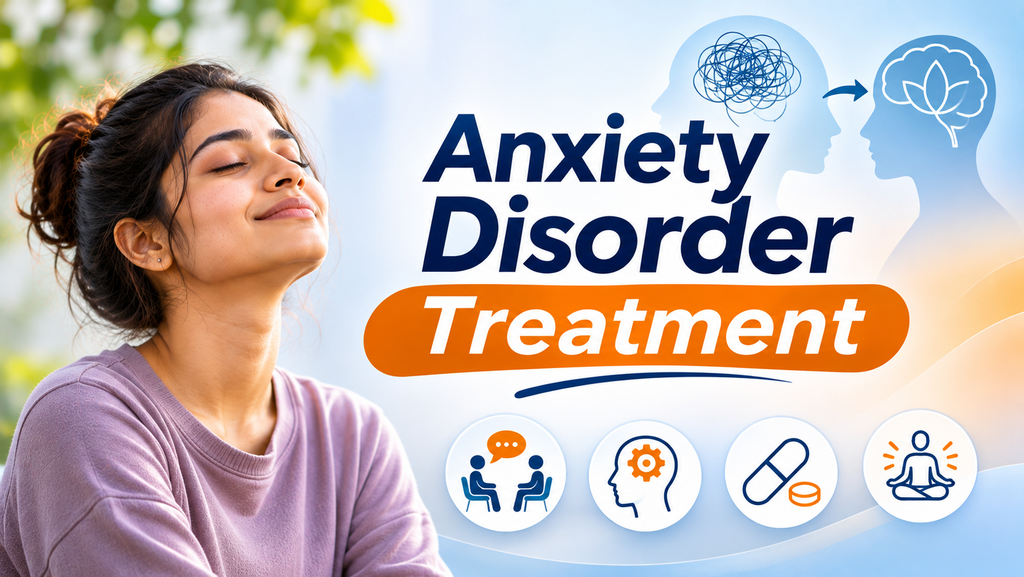
GAD is treatable. The most appropriate approach depends on the person’s symptoms, circumstances, preferences and professional assessment.
1. Cognitive Behavioural Therapy (CBT)
Cognitive Behavioural Therapy is an evidence-based psychological treatment commonly used for anxiety disorders.
CBT helps people recognise patterns of thinking and behaviour that may maintain anxiety. With guidance from a trained professional, a person can learn to examine unhelpful thoughts, develop practical coping strategies and respond differently to situations that trigger worry.
2. Psychological Counselling and Support
Talking with an appropriately qualified professional may help a person understand their concerns, explore contributing factors and develop healthier ways to cope with emotional difficulties.
The appropriate type of support depends on the person’s individual needs and clinical assessment.
3. Medication, When Appropriate
Some people may benefit from medication as part of their treatment plan. Medication decisions should be made with a qualified medical practitioner, such as a psychiatrist or another appropriately qualified prescribing clinician.
Do not start, stop or change psychiatric medication without medical guidance.
4. Lifestyle and Stress Management
Daily habits can complement professional treatment and support general well-being.
Helpful steps may include:
- Maintaining a regular sleep schedule
- Engaging in suitable physical activity
- Practising relaxation or slow-breathing exercises
- Reducing excessive caffeine intake
- Maintaining regular meals
- Talking with a trusted person about your concerns
- Breaking overwhelming tasks into smaller, manageable steps
These measures may help with symptom management, but they are not a substitute for professional assessment when anxiety is persistent or significantly affecting daily life.
When Should You Seek Professional Help?
Consider seeking professional help if you:
- Worry excessively about several aspects of everyday life.
- Find it difficult to control anxious thoughts.
- Frequently experience sleep problems because of worry.
- Have difficulty concentrating at work or during studies.
- Notice that anxiety is affecting your family or relationships.
- Experience persistent physical symptoms that need evaluation.
- Feel that your usual coping strategies are no longer helping.
You do not need to wait until anxiety becomes overwhelming before asking for help.
If you or someone you know is experiencing a mental health crisis or is at immediate risk of self-harm, seek urgent professional help or go to the nearest emergency department.
Frequently Asked Questions About Generalized Anxiety Disorder
1. Can I have anxiety even when nothing is wrong?
Yes. Anxiety can occur even when there is no immediate danger or obvious trigger. However, occasional anxiety does not necessarily indicate GAD. Persistent, difficult-to-control worry that affects daily life deserves professional assessment.
2. Is generalized anxiety disorder the same as overthinking?
No. Overthinking is a common way of describing repetitive thoughts. GAD is a clinical condition involving excessive, difficult-to-control worry and associated symptoms that cause distress or interfere with daily functioning. A professional assessment is needed to determine whether someone has GAD.
3. Can anxiety cause headaches, stomach problems or a racing heartbeat?
Anxiety can be associated with these symptoms, but they can also occur for other reasons. New, severe or persistent physical symptoms should be assessed by an appropriate healthcare professional.
4. Can generalized anxiety disorder be treated?
Yes. Evidence-based treatments, including psychological therapies such as CBT, can help many people manage anxiety. Depending on individual needs, a healthcare professional may also consider medication or other support.
5. When should I consult a psychologist for anxiety?
Consider consulting an appropriately qualified mental health professional when worry becomes persistent, difficult to manage or begins affecting sleep, concentration, relationships, work or studies. If physical symptoms are new or unexplained, medical evaluation may also be necessary.
6. Does feeling anxious mean that I have a mental health disorder?
No. Anxiety is a normal human emotion. Whether it indicates a disorder depends on factors such as the symptoms, their duration, their intensity and their effect on everyday life.
Take the First Step Towards Better Mental Well-Being
Constant worry can be exhausting, particularly when it begins to affect sleep, relationships, work or everyday activities.
Recognising what you are experiencing is an important first step. You do not have to understand every symptom on your own, and seeking professional guidance is a positive step towards understanding your mental health.
If persistent anxiety or emotional distress is affecting your daily life, consider speaking with an appropriately qualified mental health professional or healthcare provider. Early assessment can help you understand your concerns and explore suitable support.
At Shree Diagnostics & Clinic, we believe that health awareness begins with reliable information and informed decisions. For details about available clinical services, please contact our team.
Medical disclaimer: This article is intended for general educational purposes only. It is not a substitute for professional medical advice, diagnosis or treatment. Symptoms and treatment needs differ from person to person. Please consult an appropriately qualified healthcare professional for individual advice.
Authoritative references
The article’s clinical information can be checked against these reliable sources:
- NHS: Generalised Anxiety Disorder
- National Institute of Mental Health: Generalized Anxiety Disorder
- World Health Organization: Anxiety Disorders
Need Psychological Counselling or Guidance After Diagnosis?

Your mental well-being matters. For psychological counselling, emotional support and post-diagnosis guidance, connect with Shree Diagnostics & Clinic.
Counselling: Tamasha Roy – Diploma in Psychological Counseling
Availability: Monday–Saturday | 4:00 PM onwards
📍 Address: 58/3, Lakshmi Narayan Tala Road, Howrah – 711103 (Near IIEST College, 2nd Gate / South Howrah State Hospital)
📞 Contact: 8910830805 | 8100606500
Take the first step towards better mental well-being.