
Learn how to manage panic attacks, recognise symptoms, understand common causes, and explore effective treatments and coping techniques.
Panic attacks can be frightening. A sudden racing heartbeat, difficulty breathing, sweating, dizziness, or an overwhelming feeling of fear can make you feel as though something terrible is happening. These symptoms may appear unexpectedly, even when there is no obvious danger.
If you experience panic attacks, remember that help is available, and panic attacks can be managed with the right techniques and professional support. Understanding what happens during a panic attack is an important first step towards regaining control.
What Is a Panic Attack?
A panic attack is a sudden episode of intense fear or discomfort accompanied by physical and emotional symptoms. It can occur during a stressful situation or seemingly without any warning.
During an attack, the body’s natural fight-or-flight response becomes activated. This response prepares the body to deal with danger, but during a panic attack, it may occur even when there is no immediate threat.
A single panic attack does not necessarily mean you have panic disorder. However, repeated attacks, ongoing worry about future attacks, or avoiding everyday activities because of fear may require professional assessment.
What Are the Common Symptoms of a Panic Attack?
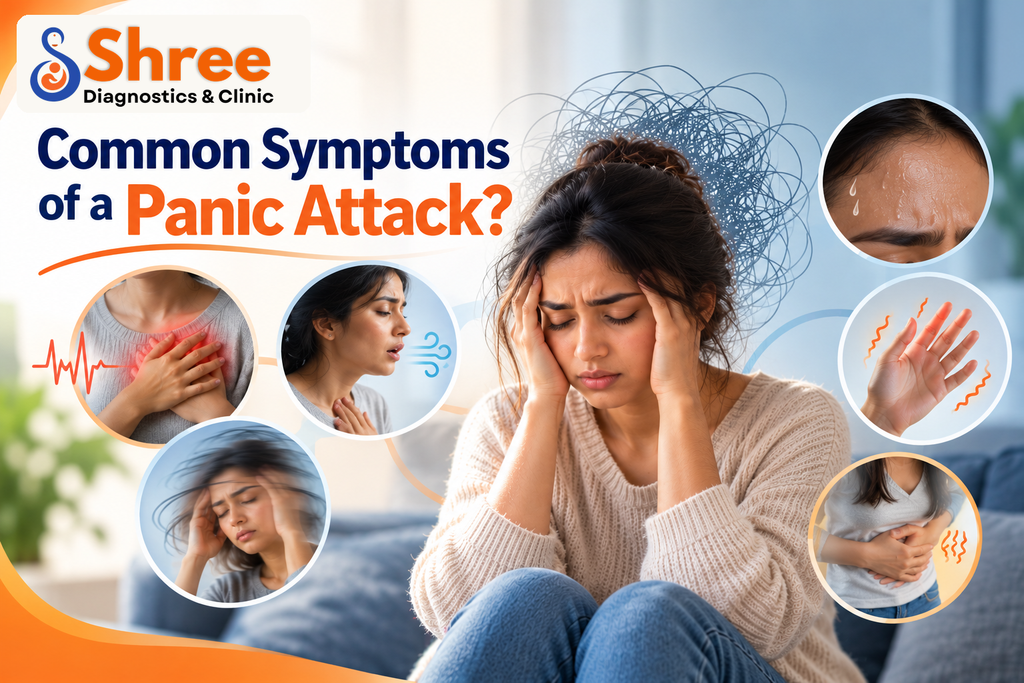
Panic attack symptoms can vary from person to person. Common symptoms include:
- A racing or pounding heartbeat
- Shortness of breath or a feeling of suffocation
- Sweating or trembling
- Chest discomfort
- Dizziness or light-headedness
- Nausea or stomach discomfort
- Tingling or numbness in the hands or feet
- A feeling of losing control
- Fear of dying or something terrible happening
- Feeling detached from your surroundings
These symptoms can be intense and may resemble symptoms of other medical conditions. Do not automatically assume that chest pain or breathing difficulty is caused by anxiety, especially if the symptoms are new or severe.
How Can I Stop a Panic Attack Quickly?
Although a panic attack may feel overwhelming, a few simple techniques can help you manage the experience.
1. Focus on Slow, Gentle Breathing
During a panic attack, you may breathe rapidly or take shallow breaths, which can worsen dizziness and discomfort.
Try to breathe gently and comfortably. Breathe in slowly through your nose and breathe out gradually without forcing your breath. Continue at a comfortable pace.
Avoid taking repeated, excessively deep breaths. If focusing on breathing makes you feel more anxious, try the grounding technique below instead.
2. Use the 5-4-3-2-1 Grounding Technique
Grounding helps bring your attention back to the present moment instead of focusing on frightening thoughts or physical sensations.
Try identifying:
- 5 things you can see
- 4 things you can feel
- 3 things you can hear
- 2 things you can smell
- 1 thing you can taste
Take your time with each step. You can also place your feet firmly on the floor and notice the support beneath you.
3. Remind Yourself That the Feeling Can Pass
During a panic attack, thoughts such as “I am losing control” or “Something terrible is happening” can intensify your fear.
Try replacing these thoughts with a calmer reminder:
“I am experiencing intense anxiety. I can take this one moment at a time. I do not have to fight the feeling, and I can seek help if I need it.”
Do not force yourself to feel calm immediately. Focus on getting through the next few minutes safely.
4. Move to a Safe and Comfortable Place
If possible, sit somewhere safe and quiet. Loosen tight clothing and reduce unnecessary stimulation.
If you feel dizzy, sit down to reduce the risk of falling. If you are driving or operating machinery, stop as soon as it is safe to do so.
You may also contact someone you trust and ask them to stay with you until you feel more settled.
5. Avoid Fighting Every Physical Sensation
Trying desperately to stop every heartbeat, trembling sensation, or anxious thought can sometimes increase fear.
Instead, acknowledge what you are experiencing without judging yourself. Allow yourself time to recover while remaining attentive to symptoms that may need medical attention.
These techniques may help you cope with a panic attack, but they are not a substitute for medical evaluation when symptoms are new, unusual, or severe.
What Causes Panic Attacks?
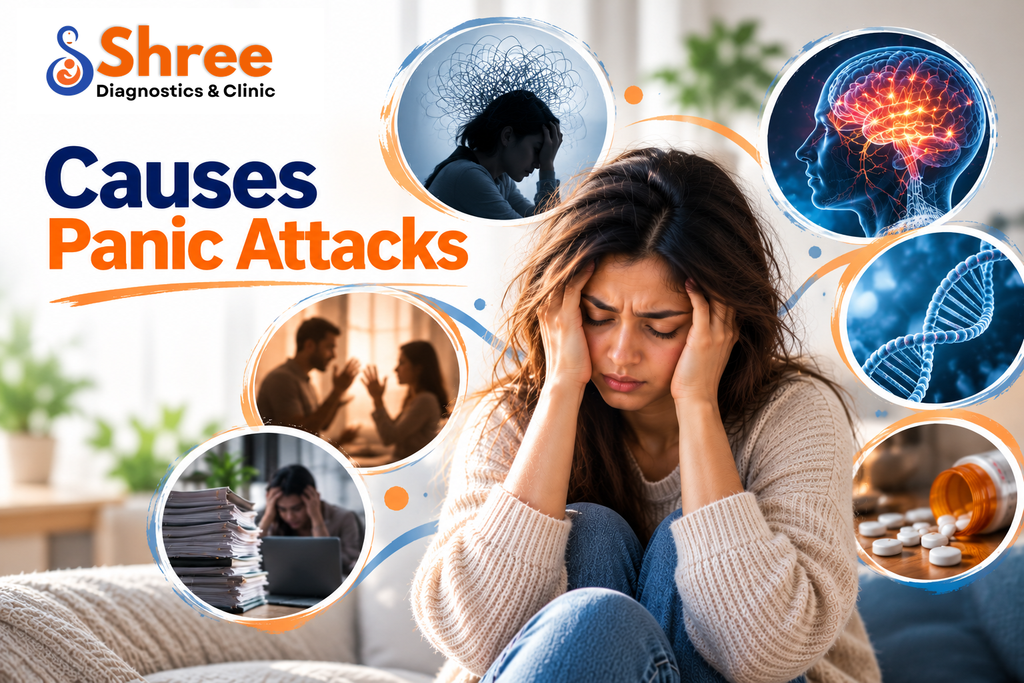
Panic attacks can occur for different reasons, and sometimes there is no obvious trigger.
Possible contributing factors include:
- Prolonged stress or emotional pressure
- Anxiety and persistent worrying
- Difficult life events or past experiences
- Fear of experiencing another panic attack
- Lack of sleep or irregular sleep patterns
- Excessive caffeine or other stimulants
- Certain medical conditions or medication effects
A panic attack may also develop when a person misinterprets normal bodily sensations as signs of danger. For example, a slightly faster heartbeat may trigger fear, which increases the heartbeat further and creates a cycle of anxiety.
Identifying personal triggers can help you and your healthcare professional develop a suitable management plan.
How Can I Prevent Panic Attacks From Happening Again?
There is no guaranteed way to prevent every panic attack, but several habits can support better emotional well-being.
Maintain a Regular Sleep Schedule
Try to sleep and wake at consistent times. Poor sleep can make it harder to manage stress and emotional reactions.
Exercise Regularly
Walking, gentle stretching, yoga, or other suitable physical activities may help reduce stress and improve general well-being. Start at a comfortable level and choose activities appropriate for your health.
Reduce Excessive Caffeine
Coffee, strong tea, energy drinks, and other sources of caffeine may increase palpitations, restlessness, or anxiety in some people. Notice how your body responds and reduce your intake if it appears to trigger symptoms.
Practise Relaxation Techniques
Mindfulness, progressive muscle relaxation, and gentle breathing exercises can help you develop ways to manage stress. Practising these techniques regularly may be more helpful than trying them for the first time during an intense episode.
Keep Track of Your Experiences
If panic attacks recur, note when they happen, what you were doing, how you felt, and whether you noticed any possible triggers. This information may help a mental health professional understand your experience.
Remember, panic attacks are not a personal failure. You do not need to manage them alone.
Can Therapy Help With Panic Attacks?
Yes. Professional psychological support can be an important part of panic attack management, particularly when attacks recur or interfere with daily life.
Cognitive Behavioural Therapy (CBT) is an established treatment for panic disorder. It helps people recognise unhelpful thought patterns, understand the relationship between thoughts and physical sensations, and gradually respond to anxiety in healthier ways.
A qualified mental health professional may also help you:
- Understand the physical and emotional symptoms of panic
- Identify situations or thoughts that contribute to anxiety
- Develop practical coping strategies
- Reduce fear of future panic attacks
- Return gradually to activities you have started avoiding
Depending on the symptoms and individual circumstances, a doctor may also assess whether medication or further medical investigation is appropriate.
Seeking help early can make it easier to understand your symptoms and find an effective approach.
When Should You Seek Medical Help?
Seek professional support if panic attacks happen repeatedly, make you anxious about leaving home, affect your sleep, or interfere with work, relationships, or everyday activities.
Seek urgent medical attention if you experience new or severe chest pain, serious breathing difficulty, fainting, or other unusual symptoms. Panic attacks can resemble medical emergencies, and it is important not to assume the cause without appropriate assessment.
Conclusion
Panic attacks can feel frightening, but they do not have to control your life. Gentle breathing, grounding exercises, reassuring self-talk, healthy daily habits, and professional support can help you manage symptoms and rebuild confidence.
If panic attacks keep returning, do not ignore them or blame yourself. Understanding your symptoms and seeking appropriate help are important steps towards feeling better.
At Shree Diagnostics & Clinic, Howrah, we encourage individuals experiencing anxiety-related difficulties to seek appropriate professional guidance and support.

Frequently Asked Questions (FAQs)
1. How can I stop a panic attack quickly?
Try gentle, slow breathing, the 5-4-3-2-1 grounding technique, and reassuring self-talk. Sit somewhere safe and give yourself time to recover. Seek urgent medical attention for new or severe symptoms
2. How long does a panic attack last?
A panic attack often reaches its peak within several minutes and may subside within 5–30 minutes, although the duration varies from person to person.
3. Why do I get panic attacks for no reason?
Panic attacks can occur without an obvious trigger. Stress, anxiety, past experiences, physical sensations, and other factors may contribute.
4. Can panic attacks be cured permanently?
Many people experience significant improvement with appropriate treatment. CBT and other professional interventions can help manage symptoms and reduce the frequency or impact of attacks, although outcomes vary.
5. Can panic attacks happen during sleep?
Yes. Some people experience panic attacks that wake them from sleep. Recurrent nighttime episodes should be discussed with a healthcare professional to assess possible causes and suitable treatment.
6. Can I manage panic attacks without medication?
Some people manage panic attacks with CBT, counselling, and lifestyle changes. Others may benefit from medication prescribed by a qualified doctor. The appropriate approach depends on individual needs.
7. When should I consult a mental health professional?
Seek help if panic attacks recur, cause persistent worry, lead you to avoid everyday activities, or affect your quality of life. A professional can help assess your symptoms and recommend suitable care.
Shree Diagnostics & Clinic — Your Health, Our Priority
📍 Address: 58/3 Lakshmi Narayan Tala Road, Near IIEST College 2nd Gate, Howrah – 711103
📞 Contact: 8910830805 / 8100606500
🌐 Website: https://www.shreediagnostics.in
For concerns related to panic attacks, anxiety, or emotional well-being, seek guidance from a qualified mental health professional.
Shree Diagnostics & Clinic — Serving Howrah with care, speed and responsibility.